top of page

Search


US-ABC: U.S. ASEAN Strategic Business Forum
As the American century fades, the Asian renaissance begins. Kishore Mahbubani sat down with our CEO Steven Okun for a fireside chat at the US-ASEAN Business Council's Strategic Business Forum. ASEAN isn't westernizing it's modernizing, on its own terms, shaped for centuries by deep cultural ties to the two giants on its borders, India and China. An image for how the region moves is like a crab: sideways, sometimes backwards, sometimes forwards - never in a straight line, bu


AmChamSG Regional Economic Conference: The Imperative for Business to Adapt to Changing Geopolitics
At the The American Chamber of Commerce in Singapore (AmCham Singapore)'s Regional Economic Conference, our CEO Steven Okun and Manager Noemie Viterale led Workshop 3: The Imperative for Business to Adapt to Changing Geopolitics. The session covered how public affairs is changing for U.S.-headquartered companies and those doing business with the U.S., where new opportunities are emerging, and why companies need to play the long game. A recurring thread throughout: resilience


BFM 89.9: The US & Canada Play Chicken
Guest: Steven Okun (CEO), APAC Advisors The US and Canada have one of the world's most deeply integrated trading relationships, but tariff threats and tensions over sovereignty have pushed the two neighbours into an escalating trade war. Steven Okun, Founder & CEO of APAC Advisors, discusses how the negotiations broke down and what this means for the future of USMCA and the world.


The British Chamber of Commerce in Singapore: Geopolitics Committee Launch
This year BritCham launched a new Geopolitics Committee, meeting every few months and reaching out when major events take a turn that impacts our members. Steven Okun shared his thoughts on current US developments, and H.E Nikesh Mehta brought the UK perspectives, and dug into economic diplomacy and shifting world orders.


The Business Times: Reframing ‘Brand Singapore’ for an ‘America First’ era needs business support
The most credible messengers are the companies and investors who profit from the Republic’s success every day For decades, the US prized partners that upheld the rule of law, kept markets open and met high standards on trade and investment – making Singapore the natural choice for its first Asian free trade agreement partner. Singapore’s values and commitments to the US have not changed.\ For the US, that calculus has shifted as those values are not priorities of an “America


The National Press Foundation: The Gathering Geo-Political Storm – What the U.S. Mid-term Elections Could Mean for Asia and Trade
Current U.S. politics, foreign policy, and global trade dynamics intersect to create complex international ramifications. Steven Okun, founder and CEO of APAC Advisors Singapore, discussed how the fragmentation of global trade is reshaping Asia’s economic and geopolitical landscape.


The National Press Foundation
Journalism in a World of Obsolete Geopolitical Assumptions There is no "trade truce" between the US and China. That was Steve Okun's opening line — and he meant every word of it. Steve returned for his annual session with the National Press Foundation's International Trade Reporting Fellowship, speaking to 25 journalists from across Asia on geopolitics and trade. The message was clear: too many stories are still being told through a lens that no longer reflects reality. Three


The Guardian: ‘Compound shock effect’: why the Middle East crisis and El Niño could spell disaster in south-east Asia
Why does this matter so much for Asian economies? The closure of the strait of Hormuz provided a “stark wake-up call” exposing the region’s vulnerability, according to a report released by the International Energy Agency (IEA) last week. Before the crisis, 60% of south-east Asia’s imports of crude oil and a third of its imports of gas came from the Middle East, according to the IEA. The region’s energy import bill is projected to reach $160bn this year – double the $80bn bill


South China Morning Post: Many countries are ‘quiet quitting’ the US and China on trade
While the US and Chinese markets are essential, other countries are making deals with each other in search of more diversified trade Steven Okun and Kellie Meiman Hock Published: 8:30pm, 18 Jun 2026 As US President Donald Trump rebuilds the tariff wall the country’s Supreme Court knocked down, the headlines fixate on each individual block. With the global 10 per cent tariff initially levied in response expiring on July 24, the Trump administration is preparing to replace it b


CNBC Inside India: Iran-U.S. deal may not remain good news over the long term
Steven Okun, CEO of APAC Advisors, joined Sri Jegarajah on CNBC's Inside India to break down what the U.S.-Iran MOU means for energy markets, trade routes, and investors across the region. The U.S.-Iran ceasefire MOU is good news for the short term — oil prices ease, markets respond, and countries like India, South Korea, and Thailand get some relief. But the bigger question is what comes next. Freedom of navigation through the Strait of Hormuz was once absolute; that certain
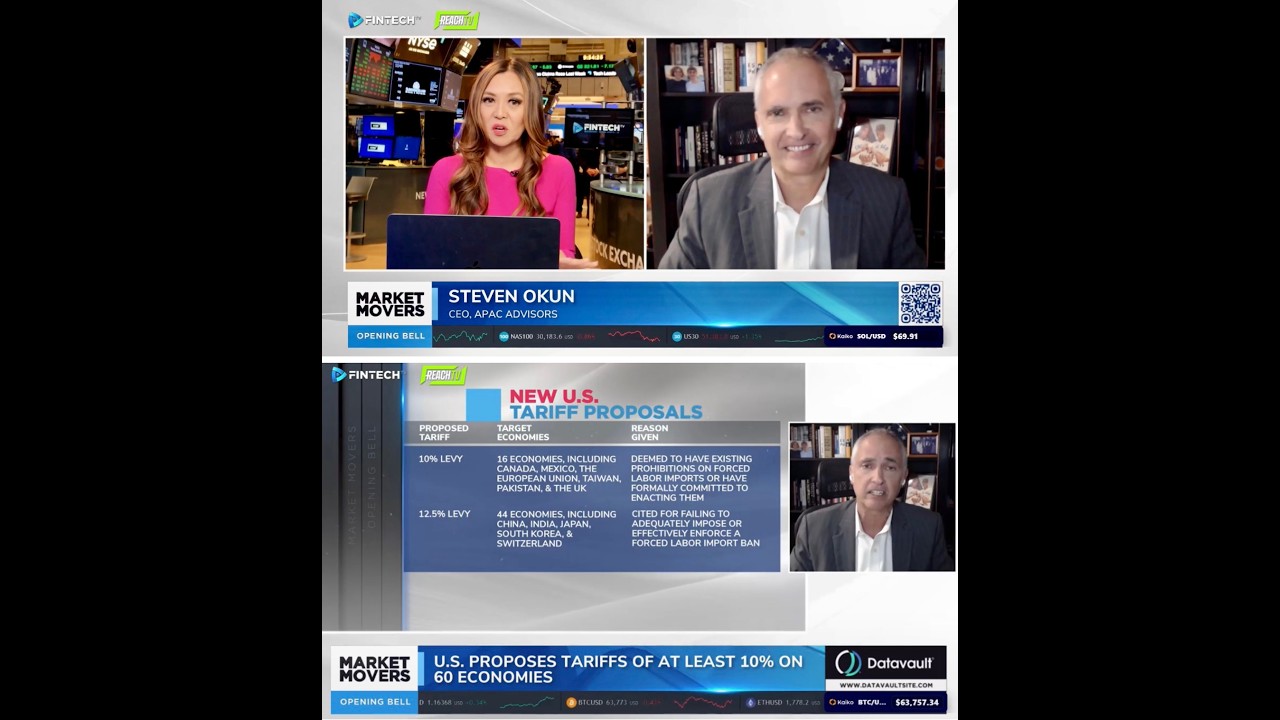
Market Movers for FINTECH.TV: Tariffs, Iran and the US-China Trade War: Markets Don't Care, But Voters and Trading Partners Do
Trump rebuilds his tariff wall. The Strait of Hormuz remains closed. The US and China are at a stalemate. The markets continue to go up. Investors may be happy. But voters are not. Nor are the US’ trading partners. Republicans will pay the price at the voting booth. Long term, countries look to diversify away from both the US and China.

Al Jazeera: Is The West de-risking from China or containing its economy? | Counting the Cost
For decades, companies flocked to China for cheap manufacturing at scale and speed. Now, Western governments are pushing businesses to pull production and reduce their commitments. Beijing is hitting back with sweeping new rules that critics say could make it harder for foreign firms to diversify their supply chains. China says the measures are about protecting national and economic security - as it accuses the West of protectionism. The United States and Europe have been try


Nikkei Asia: In Asia, geopolitics has moved onto the deal sheet
Private equity firms can no longer treat government as a regulatory afterthought Steven Okun and Derek Grossman Steven Okun is CEO of APAC Advisors, a geostrategic consultancy based in Singapore. Derek Grossman is a professor of political science and international relations at the University of Southern California. Private equity and venture capital firms operating in Asia had one fewer significant constraint than counterparts in the U.S. -- they didn't need to worry about de
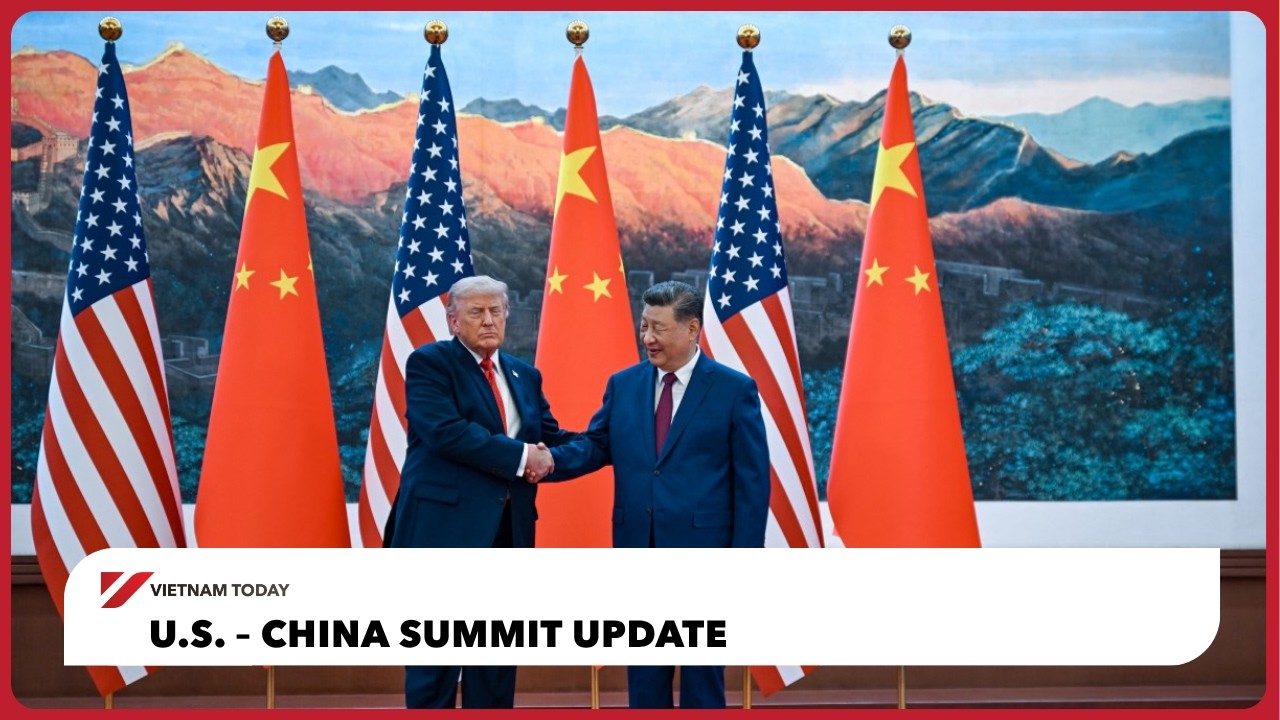
Vietnam Today: U.S. – China Summit Update
The eyes of the world have been fixed on Beijing this week, where what may be the most significant diplomatic recalibration of the decade is taking place. After all, it's the high-stakes summit between U.S. and China. As US President Donald Trump along with Chinese Party General Secretary and President Xi Jinping conclude their summit on 15 May, they have framed the U.S. – China bond as the most consequential in the world. Steven Okun speaks with Vietnam Today

Al Jazeera: US-China: Still in a Trade War, Still Adversaries
Steven Okun's analysis after day one of the Trump-Xi summit for Al Jazeera The Trump-Xi summit seems to be a success in that it has stabilized the relationship for now. But all of the core issues between the two countries remain. China's unfair trade practices all remain in place, and the US continues to work to isolate it from critical technology. And we will likely see the US increase tariffs on China in July when the US raises tariffs on countries such as Malaysia, Thailan
The New York Times: Trump's Trade War With China - How We Got to a Stalemate in 3 Numbers
Steve Okun, chief executive of APAC Advisors (Singapore), predicted the Trump administration would soon raise tariffs on China, potentially to 35 percent or more. Mr. Trump, he said, “will need to be careful not to commit to taking 301 off the table at the coming summit.” Why? As the US prepares to raise tariffs on much of the world through ARTs or Section 301 tariffs for forced labor or industrial capacity, China must be included. For example, Vietnam's tariffs will soon be
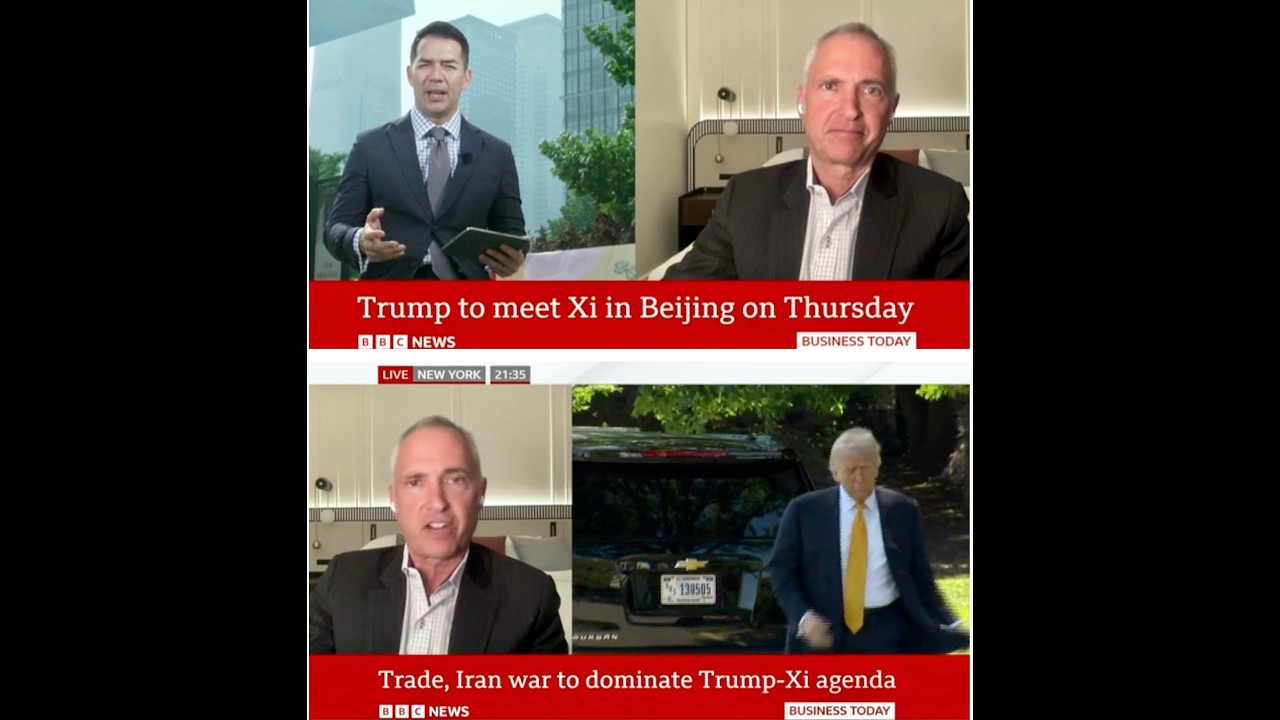
BBC: Southeast Asia and Taiwan Nervous as Trump Heads to Beijing
Tariffs are relative. Will Trump lower China’s tariffs to close to those planned for SE Asia when either the Agreements on Reciprocal Trade or the Section 301 tariffs kick-in, either by July 24 when 122 expires? The lower the differential on tariffs between China and countries like Malaysia, Thailand and Vietnam, the more likely companies which left China will return, reversing in part China +1.


Asia-Pacific Association of Communication Directors (APACD) & Edelman
Sharon Simmons didn't come to the Oval Office to talk geopolitics. She came to talk tips. And when pressed on transgender rights, on whether she voted for Trump, she did something most communications professionals struggle to do under pressure: she stayed on message. "I'm here about no tax on tips." That story opened APAC Advisors CEO Steven Okun's fireside chat with the Asia-Pacific Association of Communication Directors (APACD) — a network of Corporate Affairs and Communica


War with Iran: Tariffs, the Strait, and What Comes Next
As the conflict in Iran continues to evolve, so do its implications for global trade. APAC Advisors hosted the fourth in its War with Iran webinar series, bringing together three leading voices to assess where things stand — and what businesses should be preparing for. The tariff roadmap Barbara Weisel, Former Assistant USTR and Scholar at the Carnegie Endowment for International Peace, laid out the tariff landscape with precision. The key date to watch is July 24th, when the
bottom of page